Backup Verification: Backup vs. Restore Success
August 27, 2026
Cyber Extortion Response: Actions When Attackers Demand Pay
August 31, 2026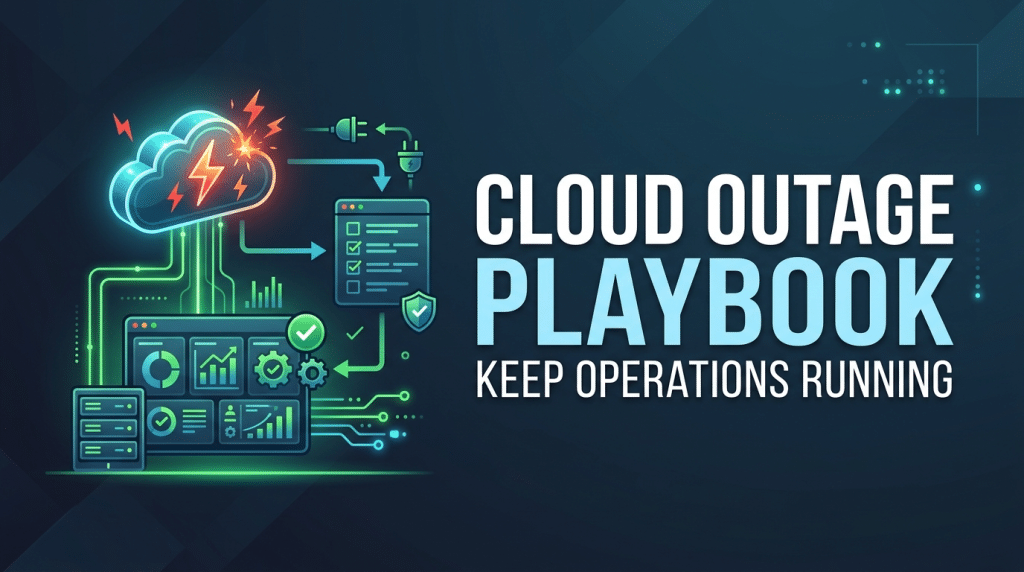
The Cloud Outage Playbook: How to Keep Operations Running When Major Platforms Go Down
Modern businesses run almost entirely on the cloud. From core communication tools and cloud-hosted accounting suites to customer relationship management platforms and public cloud infrastructure like Microsoft Azure, AWS, and Google Cloud, organizations have outsourced their digital backbones to tech giants.
Moving to the cloud offers immense scalability, reduced hardware overhead, and effortless collaboration. However, it has also created a dangerous operational assumption: the belief that major cloud providers never fail.
In reality, global cloud outages happen regularly. Whether caused by bad routing configurations, DNS failures, fiber cuts, cascading software updates, or sudden power disruptions in regional data centers, major platforms experience downtime. When a critical hyperscaler or SaaS platform goes dark, unprepared organizations grind to a halt. Employees cannot send emails, phones stop ringing, support tickets stall, and billing stops.
A cloud outage does not have to mean a complete business shutdown. With a proactive cloud outage playbook, organizations can maintain operational continuity and serve clients even when primary cloud providers go dark.
The Flaw of Single-Point Cloud Dependency
The fundamental risk of modern cloud adoption is vendor and architectural lock-in. When every workflow—email, file sharing, customer database, and phone system—relies entirely on a single platform without local redundancy or secondary failovers, any upstream disruption produces an immediate enterprise-wide failure.
To build a resilient operational playbook, businesses must accept the core reality of distributed systems: eventual failure is inevitable. True resilience is not about preventing cloud giants from going down; it is about designing internal workflows and failover architectures that decouple your daily operations from single-vendor dependencies.
Core Pillars of the Cloud Outage Playbook
A structured playbook establishes clear technical redundancies, communication alternatives, and operational workflows before an outage occurs.
1. Establish Out-of-Band Secondary Communication Channels
When your primary collaboration suite experiences a global outage, internal and external communication collapses instantly.
- Secondary Collaboration: If your daily operations run on Microsoft Teams, maintain a secured, pre-provisioned secondary channel (such as an encrypted enterprise Slack workspace or Signal group) specifically for leadership and operational coordination during outages.
- Decoupled VoIP Telephony: Ensure your cloud-based phone system has pre-configured emergency forwarding rules. If the cloud PBX portal becomes unreachable, inbound client calls should automatically route to mobile lines or alternate backup answering services.
2. Implement Cross-Cloud Data Synchronization and Local Caching
Never leave all corporate assets locked exclusively in a single proprietary cloud container.
- Local and Hybrid Replication: Maintain synchronized, encrypted local copies or secondary cloud backups (such as Wasabi or AWS S3 for Microsoft 365 environments) of critical operational documentation, vendor agreements, emergency contact sheets, and core customer lists.
- Offline Access Configurations: Train staff to enable offline access modes in advance on key applications like Google Workspace or Microsoft OneDrive so they can continue drafting documents and reviewing downloaded files without an active internet connection to cloud hosts.
3. Maintain Immutable Third-Party Backups
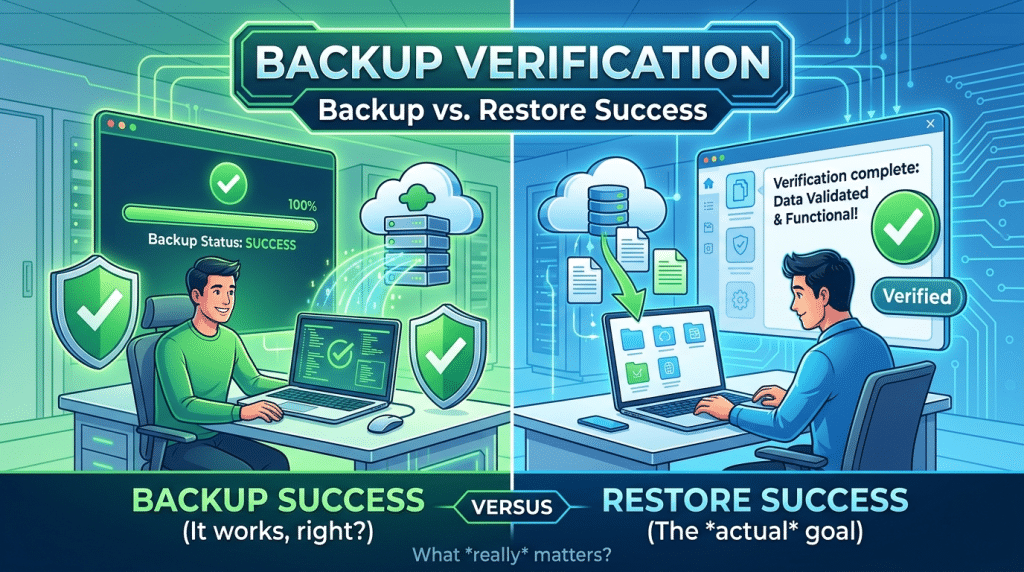
Relying solely on your SaaS provider’s native trash bin is not a disaster recovery strategy. Major cloud providers operate under a “Shared Responsibility Model”—they guarantee infrastructure uptime, but data retention, protection, and recovery remain your responsibility.
- Deploy automated, third-party cloud-to-cloud backup solutions that capture daily, immutable snapshots of mailboxes, SharePoint files, CRM databases, and configurations outside the primary vendor’s ecosystem.
- Ensure backups can be restored to alternate platforms or viewed in isolated web viewers during prolonged outages.
4. Define “Degraded Mode” Standard Operating Procedures (SOPs)
Not all business functions require 100% cloud availability to proceed. Develop explicit “degraded mode” guidelines for core departments:
- Sales and Support: Maintain offline emergency lead forms and intake templates that can be filled out manually and imported once systems reconnect.
- Finance: Store offline templates for invoice processing and emergency payroll authorization protocols.
- Operations: Document manual fulfillment workflows so physical goods and field services continue moving regardless of portal availability.
How to Handle Incident Response During a Major Outage
When a major platform disruption occurs, follow a strict response protocol:
- Verify the Scope: Check independent status platforms (such as Downdetector and official vendor status dashboards) to confirm whether the issue is local network disruption or a global platform outage.
- Activate Out-of-Band Alerts: Broadcast an emergency status update to all staff via your secondary communication channel to prevent IT help desks from being overwhelmed with duplicate tickets.
- Initiate Degraded Mode SOPs: Instruct department managers to execute offline workflows and pause automated batch jobs that could corrupt incomplete transactions.
- Publish Client Transparency Notices: If customer-facing portals are impacted, issue pre-drafted status updates explaining that third-party cloud providers are experiencing disruptions and that your team is actively managing operations via secondary channels.
Build Resilient Cloud Continuity with Krypto IT
The cloud is an invaluable business engine, but unchecked reliance without a backup playbook leaves your business vulnerable to external disruptions.
At Krypto IT, we help Houston businesses build robust hybrid-cloud architectures, cross-platform backup redundancies, and actionable disaster recovery playbooks to keep your operations resilient, productive, and secure through any outage.
Is your business prepared to keep operating if your primary cloud platform goes offline today? Contact Krypto IT to schedule a comprehensive cloud resilience and business continuity assessment.