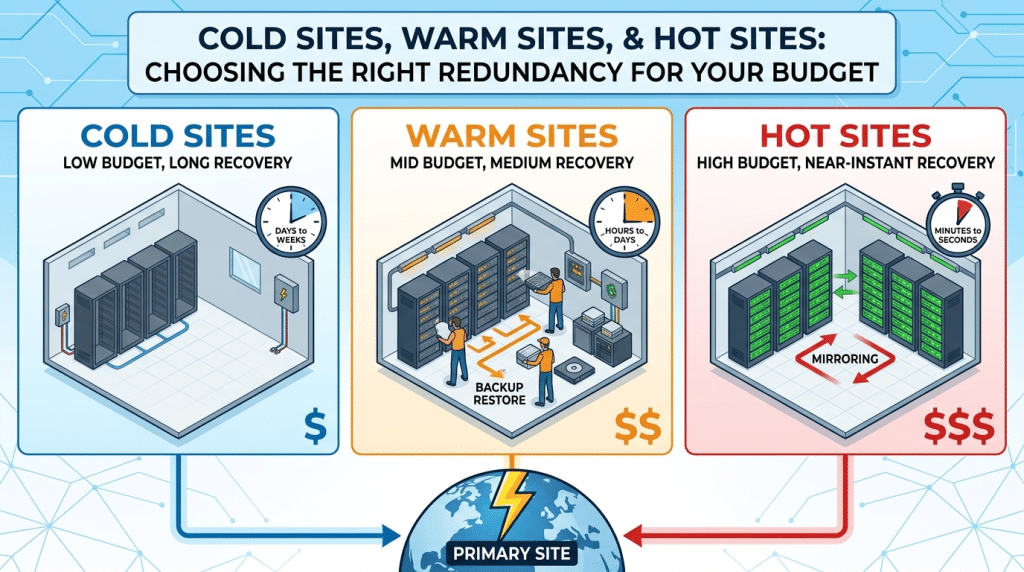
Cold, Warm, and Hot Sites: Choosing the Right Option
August 31, 2026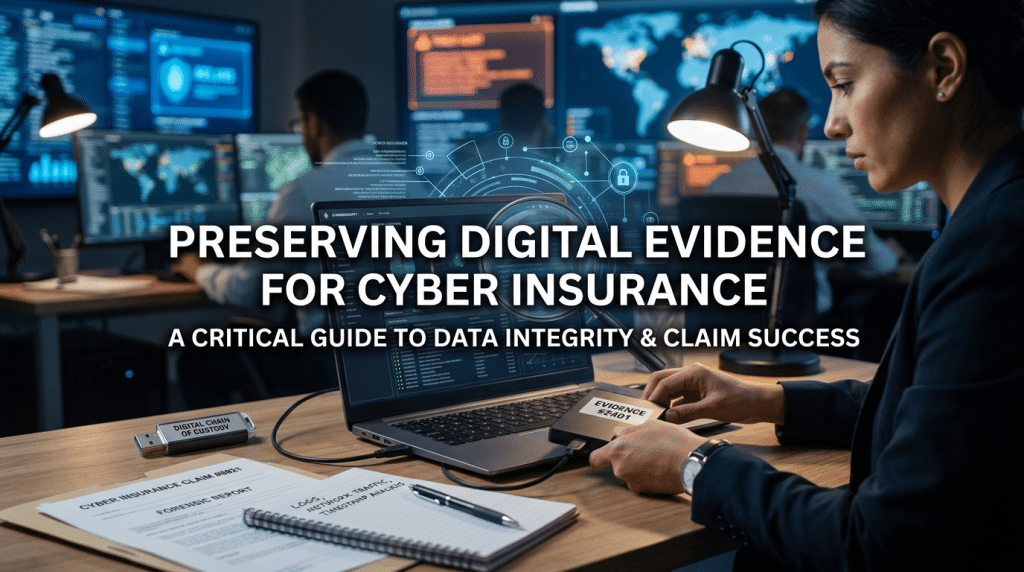
Data Preservation Post-Incident: How to Avoid Destroying Digital Evidence for Insurance Claims
When a cyberattack occurs—whether an active ransomware infection, unauthorized cloud access, or an email account takeover—the instinctive reaction of most IT staff and business owners is to fix the problem immediately. Technicians rush to reboot frozen servers, run antivirus sweeps, wipe infected endpoints, and restore backups to get operations back online as fast as possible.
While the desire to minimize downtime is understandable, this rushed, well-intentioned cleanup often creates a secondary disaster: the accidental destruction of critical digital evidence.
To approve financial payouts, cover business interruption losses, and pay forensic retainers, cyber insurance carriers require concrete, verifiable proof of what happened. If your internal team wipes systems, reboots machines, or alters logs before digital forensic investigators can capture them, your insurance provider may reduce or completely deny your claim.
Preserving evidence without extending your downtime requires a disciplined post-incident protocol that protects both your operational recovery and your insurance reimbursement.
Why Cyber Insurers Demand Forensic Evidence
Cyber insurance policies do not pay out on trust. Carriers require a formal forensic incident report from a qualified examiner to substantiate the claim. This investigation must answer specific legal and technical questions:
- Proof of a Covered Event: Did an actual malicious intrusion take place, or was the outage caused by an internal IT misconfiguration or hardware failure?
- Initial Vector of Compromise: How did the attacker get in? (e.g., unpatched VPN gateway, phishing email, or compromised contractor credentials).
- Scope of Exfiltration: Was Personally Identifiable Information (PII), payment data, or trade secrets exfiltrated, triggering mandatory regulatory reporting deadlines?
- Policy Warranty Attestation: Did your business actually have the cybersecurity controls (such as mandatory Multi-Factor Authentication) active on the date of loss that were promised on your insurance application?
If log files are missing or systems are wiped, forensic examiners cannot prove these facts, leaving your claim vulnerable to dispute or rejection.
The Most Common Ways Companies Destroy Evidence
Digital evidence is extraordinarily fragile. Even minor administrative actions can permanently alter file metadata and destroy the evidentiary chain of custody:
1. Powering Off or Rebooting Machines
Powering down or restarting a computer flushes volatile memory (RAM). RAM contains active malware processes, running command-line scripts, injected DLLs, unencrypted network connections, and sometimes the decryption keys used by ransomware. Once a machine reboots, this data is gone forever.
2. Immediate Reimaging and Rebuilding
Reformatting hard drives and reinstalling operating systems erases the disk artifacts, prefetch files, Windows Event logs, and browser caches that forensic investigators use to trace the attacker’s lateral movement.
3. Running Aggressive Antivirus Cleanup Scripts
Triggering aggressive automated remediation before capturing forensic disk images can quarantine or delete attacker payloads, web shells, and configuration scripts, destroying the malware samples needed to attribute the breach.
4. Overwriting Centralized System Logs
Many default server and firewall logging configurations retain only a few days of logs. In an incident, high-volume alert traffic can rapidly overwrite older event records that document when the attacker originally gained access weeks or months earlier.
Practical Rules for Preserving Digital Evidence
To ensure your insurance claim is defensible and your remediation is successful, follow these best practices immediately following an incident:
1. Disconnect Network Access, Keep Systems Powered On
When you suspect an endpoint or server is compromised, sever its connection to the outside world immediately. Unplug the physical Ethernet cable, disable Wi-Fi, and disconnect virtual machine network adapters. Do not shut the machine down or restart it. Leaving it powered on preserves the volatile RAM for forensic capture.
2. Freeze and Export External Logs
Immediately capture and export log data from cloud platforms and network hardware to an external, secure, write-protected repository:
- Microsoft 365 and Google Workspace audit logs
- Firewall, VPN, and DNS connection logs
- Endpoint Detection and Response (EDR) telemetry
- Identity Provider (IDP) and Single Sign-On authentication histories
3. Create Forensic Bit-Stream Disk Images
Before rebuilding any production server, work with your IT security partner to create bit-by-bit forensic images of the affected drives using hardware or software write-blockers. Verify each image using cryptographic hash values (such as SHA-256) to prove in court or to insurance assessors that the data has not been altered.
4. Maintain a Strict Chain of Custody
Document every action taken during the incident. Keep a written log recording who accessed affected systems, what actions were taken, which files were copied, and when physical hardware was secured.
5. Involve Your Cyber Carrier Before Remediating
Notify your cyber insurance carrier’s claims line immediately. Most policies require you to use their approved breach counsel and digital forensics and incident response (DFIR) retainers. Allowing their designated forensic team to direct the evidence collection ensures total compliance with policy conditions.
Protect Your Business and Insurance Claims with Krypto IT
Surviving a security incident requires a balance between swift operational recovery and legally sound forensic preservation.
At Krypto IT, we help Houston businesses build resilient incident response frameworks, maintain immutable logging environments, and implement forensically sound recovery workflows that keep your systems protected and your cyber insurance claims fully defensible.
Are your incident response procedures prepared to withstand insurance and forensic scrutiny? Contact Krypto IT today to schedule a comprehensive cyber resilience and readiness assessment.