Encryption and Client Privilege: A Modern Guide for Houston Law Firms
February 6, 2026
How to Pass Your Next Cyber Insurance Audit with Flying Colors: A Guide for Houston SMBs
February 8, 2026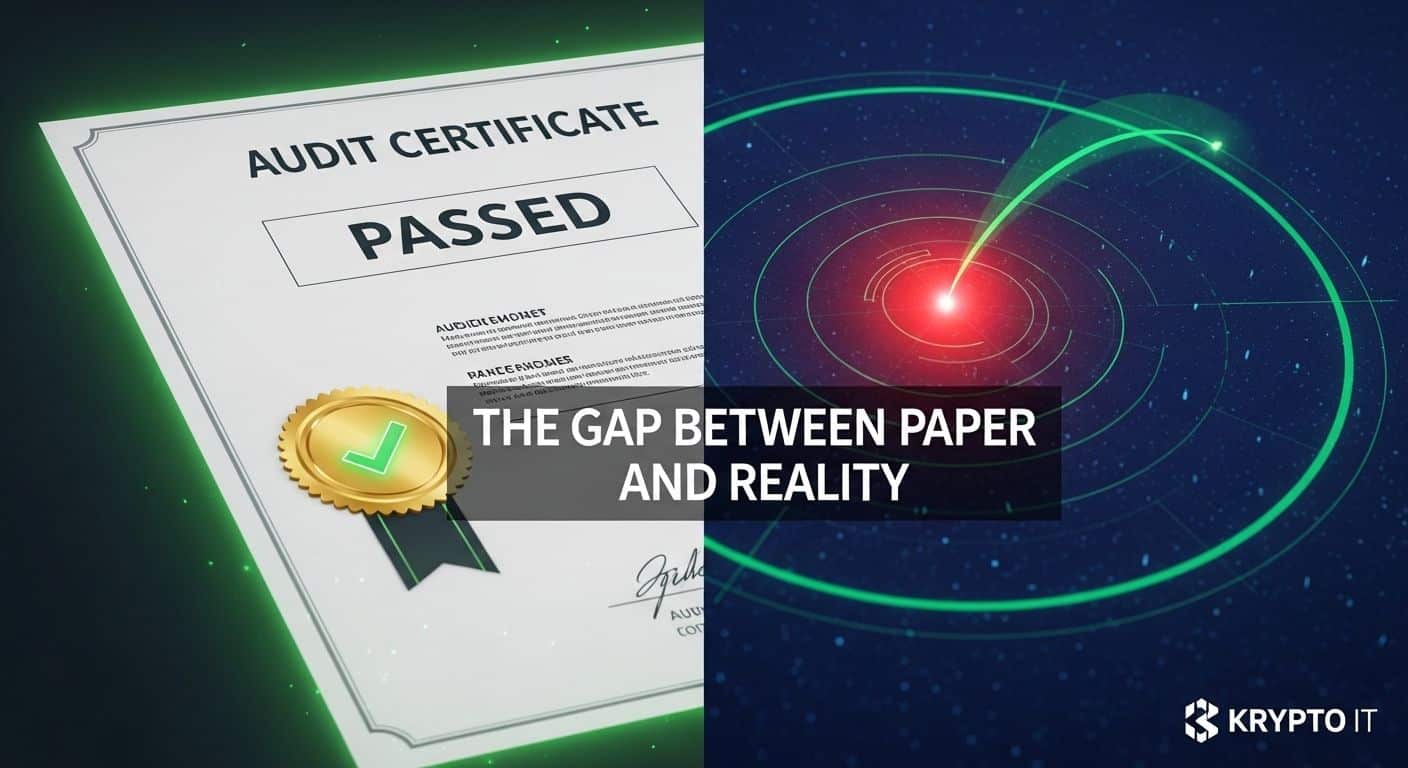
By the Team at Krypto IT | Houston’s Strategic Partners in Cybersecurity & Compliance
In the boardroom of many Houston small businesses, two words are often used interchangeably: Compliance and Security.
A business owner might sit down with our team at Krypto IT and say, “We just finished our HIPAA audit, so we’re secure,” or “We’re PCI-DSS compliant, so our customer data is safe.” While we always celebrate a successful audit, there is a dangerous truth that every CEO needs to hear: Compliance is not security.
Think of it like a driver’s license. Having a license means you’ve met the state’s minimum requirements to operate a vehicle (compliance). It does not, however, mean you are a safe driver who can handle a hydroplaning car during a Houston thunderstorm (security).
To protect your business in 2026, you must understand the difference between meeting a standard and defending against an adversary.
1. Compliance is a “Point-in-Time” Snapshot
Compliance is usually an annual or biennial event. An auditor comes in, looks at your paperwork, checks your settings, and issues a certificate. It is a “snapshot” of your business on its best behavior.
Cybersecurity, however, is a continuous fight. Hackers don’t wait for your annual audit to launch a Zero-Day attack. If a new vulnerability is discovered in your software three days after your auditor leaves, you are still “compliant” on paper, but you are 100% vulnerable in reality.
2. Compliance is About “The What”; Security is About “The How”
Compliance frameworks like CMMC, HIPAA, or SOC2 tell you what you need to do (e.g., “You must have access controls”). They are often intentionally vague to allow for different types of businesses.
Security is the technical implementation of how you do it.
- Compliance says: “Change your passwords regularly.”
- Security says: “Move to Phishing-Resistant Passwordless MFA and monitor for session hijacking.”
A business can follow the “letter of the law” for compliance while using outdated technology that a modern hacker can bypass in seconds.
3. The “Paper Tiger” Problem
The history of cybersecurity is littered with “compliant” companies that suffered catastrophic breaches. One of the most famous examples remains the Target breach; the company had passed its PCI-DSS (Payment Card Industry) audit just weeks before hackers stole 40 million credit card records.
They were compliant, but their security posture was weak. They had the right tools, but nobody was monitoring the alerts those tools were generating. Compliance asks if the alarm system is installed; security asks if anyone is listening when the alarm goes off.
4. Compliance is Reactive; Security is Proactive
Most compliance standards are created in response to past breaches. They are designed to prevent the last war, not the next one. Regulators move slowly, often taking years to update their requirements.
Hackers, particularly those using AI-driven malware in 2026, move at the speed of light. Real security requires “Active Threat Hunting”—the process of looking for the “quiet” signs of an intruder before they trigger a major alarm. It involves Behavioral AI that can spot a “Zero-Day” attack that hasn’t even been written into a compliance checklist yet.
5. Why You Need Both
If compliance isn’t enough, why do we bother with it? Because compliance provides the foundation.
Compliance gives you the roadmap and the administrative discipline to ensure you aren’t forgetting the basics. It forces you to document your processes, which is vital for legal protection and insurance payouts. Security, on the other hand, provides the shield. It’s the daily work of monitoring, patching, and defending.
In Houston’s competitive market—whether you’re in the Energy Corridor, the Medical Center, or the Port—you need both to survive. Compliance keeps you legal and eligible for contracts; security keeps you in business.
How Krypto IT Bridges the Gap
At Krypto IT, we don’t just help you “pass the test.” We build a security-first culture that makes compliance the natural byproduct of good habits.
- Continuous Compliance Monitoring: We don’t wait for audit day. Our tools monitor your HIPAA or CMMC status 24/7.
- Managed Detection and Response (MDR): While your compliance checklist looks at your firewall, our SOC team is actively hunting for threats inside your network.
- Risk-Based Security: We don’t just follow a checklist; we analyze your specific business risks in the Houston market and build a defense tailored to you.
- The Human Firewall: We train your team to think like defenders, moving beyond “checking boxes” to understanding how they can protect the company.
Conclusion: Don’t Settle for a Certificate
A certificate on the wall might satisfy a regulator, but it won’t stop a ransomware affiliate from encrypting your server. True peace of mind comes from knowing that your compliance is backed by an active, aggressive security strategy.
Is your business “Compliant” or “Secure”? Contact Krypto IT today for a “Gap Analysis” and let’s make sure you are both.