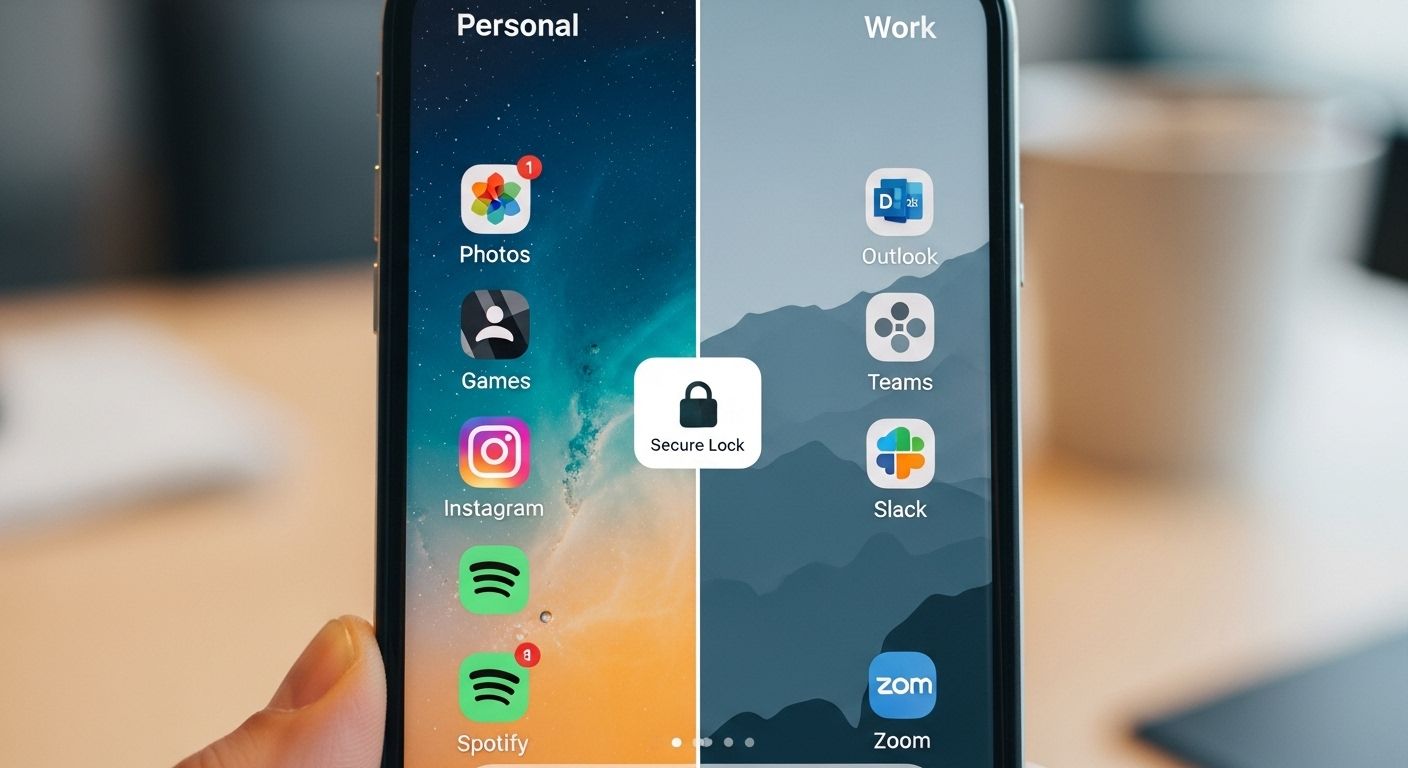
Is Your Employee’s Phone a Backdoor? Securing BYOD with MDM
January 30, 2026
SEC Cyber Rules: Why Your Private Houston Business Matters
February 2, 2026
By the Team at Krypto IT | Healthcare IT Specialists Serving Houston SMBs
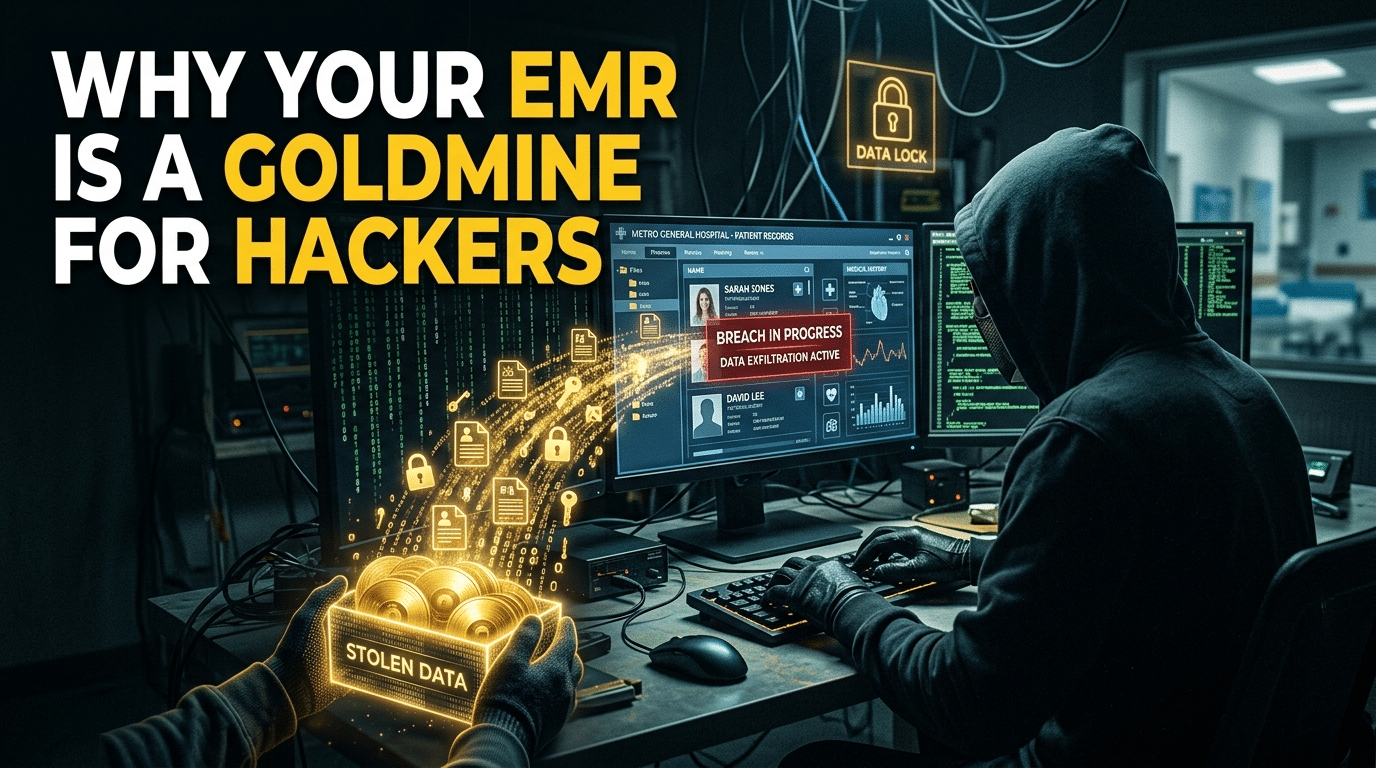
For small medical clinics across Houston—from the bustling corridors of the Texas Medical Center to private practices in Katy and Sugar Land—the cloud offers a transformative opportunity. Moving to cloud-based Electronic Health Records (EHR) and practice management systems can streamline patient care, reduce local hardware costs, and allow providers to access critical data from anywhere.
However, in the healthcare sector, “moving to the cloud” isn’t just a technical decision; it is a legal one. The Health Insurance Portability and Accountability Act (HIPAA) doesn’t stop at your office door. When you move patient data to the cloud, your compliance requirements follow. At Krypto IT, we’ve seen that many clinics mistakenly believe that the cloud provider handles 100% of the security.
To help your clinic stay protected and compliant, we’ve developed this high-level checklist for securing electronic Protected Health Information (ePHI) in a cloud environment.
1. The Foundation: The Business Associate Agreement (BAA)
Under HIPAA, any cloud service provider that touches your ePHI is considered a “Business Associate.” Before you upload a single patient file, you must have a signed Business Associate Agreement (BAA) in place.
The Strategy: A BAA is a legal contract that requires the provider to adhere to HIPAA’s Privacy and Security Rules. If a cloud vendor (whether it’s a storage provider or a niche medical app) refuses to sign a BAA, you cannot use them. Period. Even household names like Microsoft 365 and Google Workspace require you to “opt-in” or sign their specific BAA before the account is considered compliant.
2. Identity and Access Control
In a cloud-first clinic, your “Perimeter” is no longer the walls of your office; it is the identity of your staff. HIPAA requires that you implement “Technical Safeguards” to ensure only authorized personnel can access ePHI.
The Checklist:
- Unique User IDs: Every staff member—from the lead surgeon to the front-desk coordinator—must have their own unique login. Shared “FrontDesk” accounts are a major compliance violation.
- The Principle of Least Privilege: Users should only have access to the data necessary for their specific role.
- Multi-Factor Authentication (MFA): In 2026, password-only logins are considered “willful neglect” by many auditors. Phishing-resistant MFA (biometrics or hardware keys) is the gold standard for healthcare.
3. Encryption: Protecting Data at Rest and in Transit
Encryption is “Addressable” under the HIPAA Security Rule, but in the modern threat landscape, it is effectively mandatory.
The Checklist:
- Encryption at Rest: Ensure that all ePHI stored in the cloud is encrypted. If a hacker manages to breach the cloud provider’s physical server, they should find nothing but unreadable code.
- Encryption in Transit: When a nurse in Pearland sends a lab result to a doctor in the Heights, that data must travel through an encrypted tunnel (TLS/SSL).
- Key Management: Understand who holds the “encryption keys.” For maximum security, the clinic should maintain control over the keys so the cloud provider cannot access the raw data.
4. The “Paper Trail”: Audit Logs and Monitoring
If an auditor from the Office for Civil Rights (OCR) walks into your Houston clinic, the first thing they will ask for is your logs. HIPAA requires you to track who accessed what data and when.
The Checklist:
- Automated Logging: Your cloud environment must automatically record login attempts, file access, and any changes made to ePHI.
- Log Retention: You must retain these logs for at least six years (under federal law, though Texas state laws may vary).
- Active Monitoring: Having logs is useless if nobody looks at them. Krypto IT uses AI-driven tools to monitor these logs in real-time, alerting us if an employee suddenly tries to export 500 patient records at 3:00 AM.
5. Integrity and Disaster Recovery
Cloud providers are generally very reliable, but they are not invincible. HIPAA requires you to have a contingency plan to ensure ePHI isn’t altered or lost during a disaster.
The Checklist:
- The “3-2-1” Backup Rule: Even in the cloud, you need backups. Keep three copies of data, on two different media types, with one copy “Offsite” and “Immutable” (meaning it cannot be deleted by ransomware).
- Integrity Controls: Implement digital signatures or checksums to ensure that ePHI has not been altered or destroyed in an unauthorized manner.
How Krypto IT Secures Houston’s Healthcare Providers
Navigating HIPAA in the cloud is a full-time job. At Krypto IT, we act as the “Security Officer” for small Houston clinics:
- BAA Management: We ensure all your vendors are legally compliant.
- HIPAA-Hardened Configurations: We don’t just “set up” the cloud; we lock it down according to federal standards.
- Compliance Assessments: We perform regular “Gap Analyses” to find vulnerabilities before an auditor does.
- Employee Training: We train your staff on the “Human” side of HIPAA, such as avoiding phishing and securing their mobile devices.
Conclusion: Compliance is Patient Care
In the digital age, protecting a patient’s privacy is just as important as protecting their physical health. By following this cloud checklist, your clinic can enjoy the benefits of modern technology without the fear of massive fines or a reputation-destroying breach.
Is your clinic’s cloud setup HIPAA-ready? Contact Krypto IT today for a “Healthcare Security Audit” and let’s protect your patients and your practice.