PCI-DSS 4.0 Guide: What Houston Retailers and E-commerce Owners Need to Know
February 5, 2026
Why Checking the Box Isn’t Enough: The Gap Between Compliance and Real Security
February 7, 2026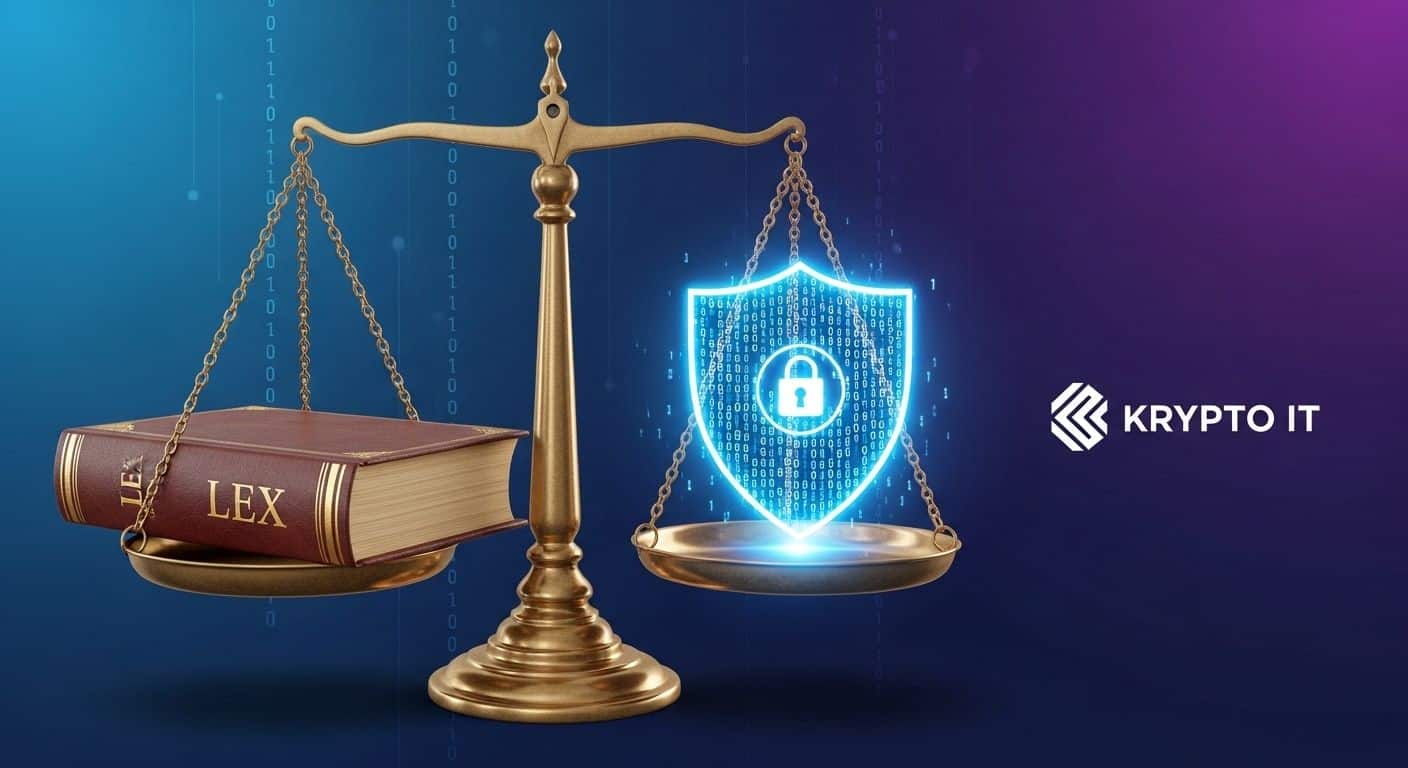
By the Team at Krypto IT | Cybersecurity & Compliance Partners for the Legal Industry
For a Houston attorney, “privilege” is the cornerstone of the profession. Whether you are a solo practitioner in Midtown or a senior partner at a “Big Law” firm in a Downtown skyscraper, your ability to protect the confidentiality of your clients is not just a best practice—it is an ethical mandate.
However, in 2026, attorney-client privilege is no longer just a legal concept; it is a digital one.
As law firms transition to digital case management, cloud-based discovery, and remote depositions, the “locked file cabinet” has been replaced by the server and the cloud. If your data is not encrypted, you are essentially leaving your most sensitive client communications on a park bench in Hermann Park. At Krypto IT, we help Houston firms bridge the gap between legal ethics and digital reality. Here is your guide to data encryption and protecting the privilege.
1. The Duty of Technological Competence
The American Bar Association (ABA) and the Texas Disciplinary Rules of Professional Conduct have made it clear: lawyers must understand the risks and benefits associated with relevant technology. In the modern era, “not being a tech person” is no longer a valid defense for a data breach.
If a firm fails to encrypt sensitive client data and that data is intercepted, the firm may be found in violation of its duty to maintain confidentiality. Encryption is the primary tool used to ensure that even if a hacker “steals” a file, they cannot “read” it.
2. Encryption “In Transit” vs. “At Rest”
To secure a law firm, we must protect data in two different states.
Data in Transit
This is data moving between points—like an email sent from your office in the Heights to a client in Sugar Land. Without encryption, this data is like a postcard that can be read by any mail carrier along the route.
- The Solution: We implement TLS (Transport Layer Security) and encrypted email portals to ensure that the communication remains a “sealed envelope” from end to end.
Data at Rest
This is data sitting on your hard drives, your office server, or your cloud storage. If a laptop is stolen from a car in the Medical Center, “Data at Rest” encryption ensures that the thief cannot access the files without the decryption key.
- The Solution: We utilize AES-256 bit encryption, the same standard used by the federal government for top-secret information.
3. The “Zero-Knowledge” Standard for Law Firms
One of the biggest risks to a law firm is the “Service Provider Trap.” If you store your files with a standard cloud provider, that provider often holds the “Master Key” to your data. If they are subpoenaed, or if an untrustworthy employee at that provider looks at your files, the “Privilege” could be compromised.
The Strategy: At Krypto IT, we advocate for Zero-Knowledge Encryption. This means that only your firm holds the keys. Not the cloud provider, and not even your IT team at Krypto IT. This ensures that your client data is truly private and that no third party can be compelled to “turn over” your files because they simply don’t have the technical ability to read them.
4. Securing Remote Work and “Discovery”
Houston firms are increasingly mobile. Attorneys are reviewing documents on tablets at home or accessing case files via public Wi-Fi at airports. This “Discovery in the Wild” is a massive vulnerability.
The Strategy:
- Full-Disk Encryption (FDE): Every laptop and mobile device in your firm must have FDE enabled. If the hardware is lost, the data remains a brick.
- Managed VPNs: We ensure that any connection back to the firm’s server is through a secure, encrypted tunnel that hides the traffic from prying eyes on public networks.
5. Compliance: More Than Just Ethics
Beyond the ethical rules of the State Bar of Texas, many Houston firms are now bound by strict regulatory requirements. If your firm handles medical records (HIPAA), financial data (SEC/FINRA), or defense contracts (CMMC), encryption is not optional—it is a mandatory requirement for your practice to remain in operation.
How Krypto IT Protects Your Practice
At Krypto IT, we understand that attorneys need technology to be invisible and invincible. We provide a “White Glove” security service for the legal community:
- Email Encryption Portals: We make it easy for your staff and clients to exchange sensitive documents securely without complicated software.
- Immutable, Encrypted Backups: We ensure that your “Plan B” is just as secure as your “Plan A.” If a hacker hits you with ransomware, your encrypted backups allow you to restore without paying a cent.
- Security Awareness for Staff: We train your paralegals and assistants on how to handle “Privileged” data in a digital environment.
- Policy Drafting: We help you create the internal “Security and Encryption Policy” that your large corporate clients are now demanding before they will retain your firm.
Conclusion: Privilege is a Digital Shield
In 2026, the best way to honor your commitment to your clients is to secure their data with the strongest tools available. Encryption is the digital equivalent of the attorney-client privilege.
Is your firm’s data truly privileged? Contact Krypto IT today for a “Legal Security Audit” and let’s ensure your clients’ secrets stay exactly that.