Managing Digital Hoarding: Why Old Files Multiply Risk
September 9, 2026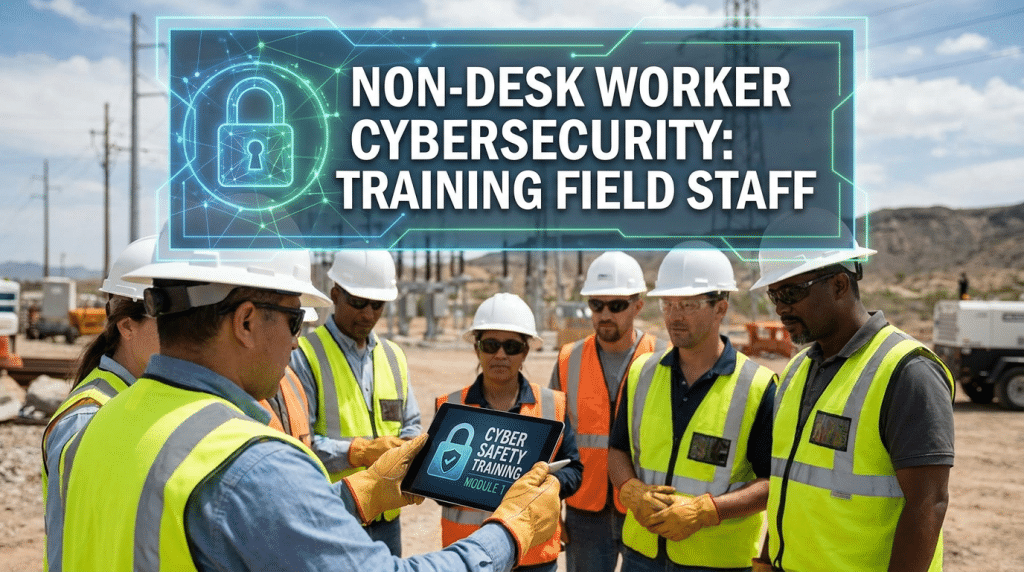
Security Training for Non-Desk Workers: Protecting Drivers, Warehouse, and Field Staff
When enterprise security leaders design cybersecurity awareness programs, they almost universally focus on corporate knowledge workers. Training modules simulate deceptive corporate emails, remind office staff to secure spreadsheets, and teach marketing teams how to spot phishing links in communication channels.
Meanwhile, a massive segment of the modern workforce remains largely overlooked: non-desk workers.
From logistics drivers managing mobile route tablets to warehouse personnel operating inventory scanners and field technicians accessing industrial client sites, non-desk employees represent the physical backbone of operations. These workers rarely sit at office desks or interact with standard corporate desktop environments. Yet, they carry company-managed smartphones, connect handheld scanners to corporate Wi-Fi networks, and interact directly with operational technology and warehouse management portals.
Cybercriminals recognize this blind spot. Threat actors increasingly target field and operational teams because these employees frequently handle sensitive operational data on mobile endpoints without the benefit of continuous, context-specific cybersecurity training.
Closing this security gap requires tailoring awareness programs directly to the physical and technical realities of frontline and field work.
The Specific Cyber Threats Targeting Field and Frontline Staff
Generic annual cybersecurity webinars covering desktop browser hygiene do not resonate with staff on a loading dock or in a service vehicle. To build genuine resilience, security programs must address the unique attack vectors non-desk workers face every day:
1. Smishing and Deceptive Text Dispatches
Field technicians and drivers rely heavily on SMS, dispatch notifications, and mobile messaging apps. Attackers exploit this urgency by sending spoofed text messages (“smishing”) masquerading as dispatch managers, fuel card providers, or shipping logistics portals. Urgent prompts demanding quick verification of credentials or route adjustments can trick busy drivers into surrendering fleet portal access within seconds.
2. Physical Tailgating and Unmonitored Facility Access
Warehouse and yard personnel work in fast-paced environments with high foot traffic, vendor deliveries, and contractor turnover. Social engineers frequently use social politeness against staff—wearing reflective vests, carrying clipboards, or holding heavy equipment boxes to slip past badge-secured doors without scanning.
3. Rogue and Insecure Public Wi-Fi Networks
Field service engineers and long-haul drivers frequently search for internet connections to upload job reports, log bills of lading, or download service manuals. Connecting corporate tablets to unsecured public Wi-Fi networks at truck stops, equipment yards, or hotels exposes device communications and active tokens to interception.
4. QR Code Exploitation (Quishing)
Field workers interact constantly with QR codes for asset tagging, parts tracking, and inventory lookups. Malicious actors increasingly overlay weaponized QR code stickers on equipment, bins, or public charging stations, redirecting workers to phishing portals designed to harvest single sign-on credentials.
5. Lost, Stolen, or Unattended Mobile Endpoints
Tablets left on forklift mounts, mobile barcode readers set down on loading docks, and smartphones left in unlocked service vans are easy targets for theft. Unlocked devices provide immediate, authenticated access to internal corporate networks and inventory systems.
Principles for Delivering Effective Non-Desk Security Training
Traditional 45-minute slide presentations fail in operational settings where employees are focused on shift metrics, route deadlines, and physical safety. Security training must integrate seamlessly into frontline workflows:
1. Deliver Bite-Sized Microlearning Modules
Break training down into two- to three-minute interactive modules accessible directly from work smartphones or handheld tablets. Short video lessons delivered monthly keep concepts fresh without pulling staff away from critical operational duties.
2. Incorporate Cyber Protocols into Safety “Toolbox Talks”
Many field and industrial organizations hold mandatory five-minute safety briefings before shifts begin. Integrate cyber awareness directly into these operational routines. Discussing tailgating alongside PPE compliance or mobile device theft alongside vehicle lock checks reinforces that digital security is an extension of physical job site safety.
3. Emphasize Clear, Frictionless Reporting Channels
When a field worker clicks a suspicious link or loses an inventory scanner, fear of disciplinary reprimand often leads to concealment. Establish a simple, no-penalty reporting mechanism—such as a dedicated one-touch button on the mobile fleet launcher or a simple phone line—so staff report compromised endpoints immediately.
4. Technical Guardrails to Protect Frontline Endpoints
Education must be supported by automated technical boundaries:
- Enforce Mobile Device Management (MDM) with remote-wipe capabilities on all handhelds and tablets.
- Deploy automated cellular VPNs that tunnel traffic securely, negating public Wi-Fi risks.
- Implement strict role-based access control (RBAC), ensuring frontline staff access only the specific applications required for their job scope.
Secure Your Entire Workforce with Krypto IT
A comprehensive cybersecurity posture leaves no operational blind spots. Protecting your organization means securing every user, whether they work in an executive suite or out in the field.
At Krypto IT, we help Houston-area and remote-first organizations deploy robust Mobile Device Management, secure frontline network infrastructure, and design tailored employee security awareness programs that protect every endpoint across your business.
Are your field technicians, warehouse teams, and mobile workers trained to spot modern cyber threats? Contact Krypto IT today to schedule a comprehensive mobile and frontline security assessment.