Why Your “IT Guy” Shouldn’t Be Your Only Security Strategy in 2026
February 23, 2026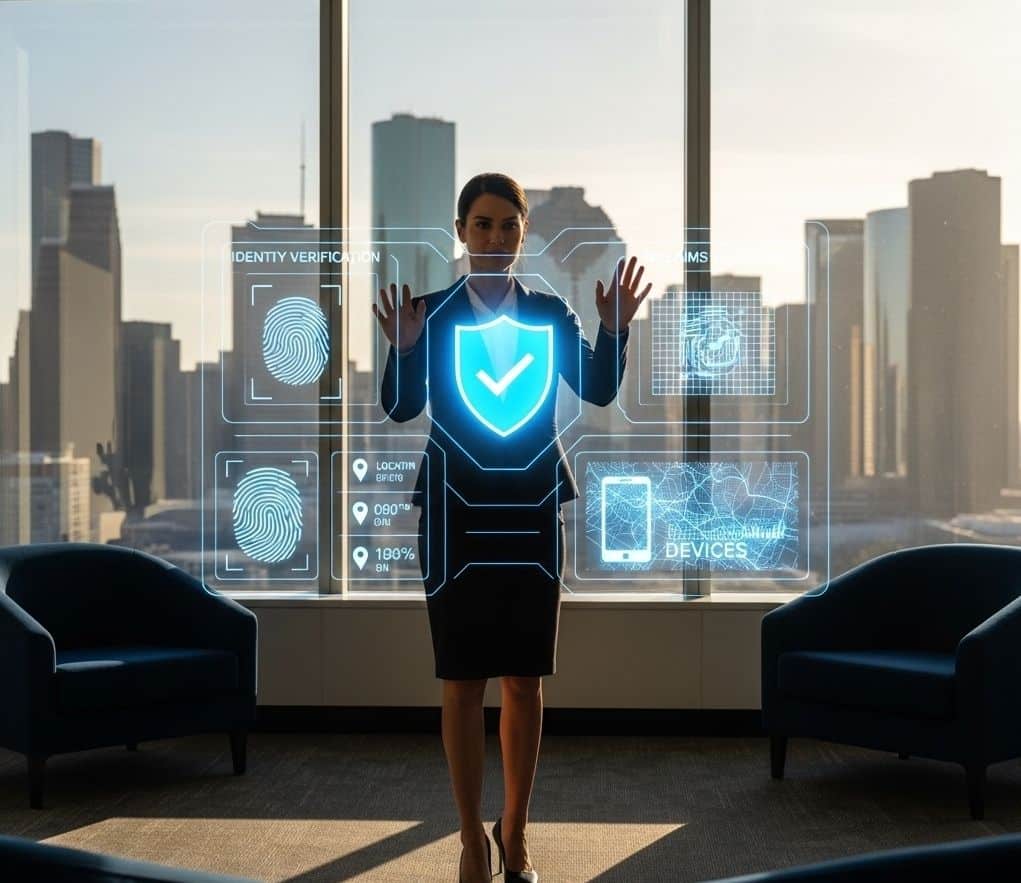
Trust but Verify: Why Zero Trust is the Essential Security Model for Houston SMBs
February 26, 2026
By the Team at Krypto IT | Leading Houston’s Secure and Resilient Remote Workforce
In the modern Houston business landscape—where hybrid teams are as common as the afternoon humidity—we talk a lot about the benefits of remote work. We discuss reduced overhead for offices in the Galleria, the talent pool we can reach across the state, and the flexibility for families in Katy or The Woodlands.
But there is a growing, invisible threat that isn’t showing up on your network firewall logs yet: Remote Work Burnout.
At Krypto IT, we’ve spent years defending systems, but we’ve realized that the strongest encryption in the world cannot stop a tired, stressed, and burnt-out employee from making a catastrophic mistake. In 2026, employee wellness isn’t just an HR topic; it is a core component of your cybersecurity strategy.
1. The Cognitive Cost of “Always On”
Remote work has blurred the lines between the “Office” and “Home.” For many Houston professionals, the laptop is always open on the kitchen counter, and the pings of Slack or Teams follow them into their evening hours. This leads to a state of chronic cognitive fatigue.
When a human brain is exhausted, it reverts to “System 1” thinking—fast, instinctive, and emotional. The logical, analytical “System 2” thinking requires energy that a burnt-out employee simply doesn’t have. This is when they miss the subtle “from” address change in a phishing email or forget to verify a wire transfer request.
2. The Fatigue-Induced Vulnerability
We can visualize the relationship between mental exhaustion and digital risk through the Fatigue-Induced Vulnerability.
As your team’s workload increases and their burnout persists, your vulnerability spikes. If you aren’t increasing your “Technical Guardrails” (like automated MFA and EDR) to compensate for this human fatigue, a breach becomes a statistical certainty.
3. “Shadow IT” as a Coping Mechanism
Burnt-out employees aren’t looking to hurt the company; they are looking for the path of least resistance to get their work done so they can finally log off. If your company’s secure file-sharing portal is slow or requires three layers of authentication, a tired employee is highly likely to bypass it.
They might use a personal Dropbox, email sensitive data to their personal Gmail to work on a different device, or use an unapproved AI tool to summarize a document. This is Shadow IT, and it is often a direct symptom of burnout. In their quest for efficiency, they are inadvertently creating massive, unmonitored backdoors into your Houston business’s data.
4. The “I Don’t Care” Phase of Security
The final and most dangerous stage of burnout is apathy. When an employee reaches a state of total exhaustion, they stop caring about protocols.
- “I’ll just reuse this password; I can’t remember another one.”
- “I’ll click ‘Approve’ on this MFA prompt just to make it go away.”
- “I saw something weird on my screen, but I’m too tired to call IT today.”
Apathy is the ultimate “Zero-Day” vulnerability. No software can fix an employee who has lost the will to be vigilant.
5. How to Build a “Burnout-Resistant” Defense
At Krypto IT, we help Houston business owners build security strategies that account for the human element.
A. Frictionless Security
If your security tools are annoying, tired people will break them. We implement “Frictionless” tools like Single Sign-On (SSO) and biometric authentication that make the secure way the easiest way.
B. Encouraging “Security Breaks”
Encourage your remote team to actually step away from their screens. A rested brain is a defensive brain. We recommend a culture where “Digital Detox” periods are respected, ensuring that when they are online, they are alert enough to spot threats.
C. Automated Guardrails
Because humans will eventually fail, your technology shouldn’t. We implement Managed Detection and Response (MDR) that assumes mistakes will happen. Our AI-driven systems look for the result of a mistake (like an unusual data transfer) and block it automatically, even if the employee didn’t notice the error.
How Krypto IT Protects Your Remote Team
We don’t just secure your laptops; we secure your people. Krypto IT provides Houston SMBs with a remote-first security framework:
- Conditional Access: Automatically adjusting security requirements based on the user’s location, device health, and risk level.
- Security Culture Coaching: Training that acknowledges the stress of remote work and provides practical, low-effort tips for staying safe.
- 24/7 Monitoring: So your employees can actually sleep, knowing that our SOC team is watching the store.
Conclusion: Wellness is a Security Strategy
In 2026, your business is only as secure as your most exhausted remote employee. By addressing burnout, you aren’t just being a good boss—you are being a smart defender.
Is your remote team’s exhaustion creating a hole in your firewall? Contact Krypto IT today for a “Remote Risk Audit” and let’s secure your team from the inside out.