The Human Firewall: Why Your Team is Your Greatest Asset and Your Biggest Risk
February 14, 2026
Brain Games: The Psychological Triggers That Make Smart People Click Malicious Links
February 17, 2026
By the Team at Krypto IT | Houston’s Strategic Partners in Cybersecurity & Culture
In many Houston offices—from the law firms in Midtown to the engineering shops in the Energy Corridor—the IT department is often viewed as the “Office Police.” They are the ones who say “no” to the convenient software you want to use, the ones who force you to change your password right before a big meeting, and the ones who lock down your computer so tightly you can barely do your job.
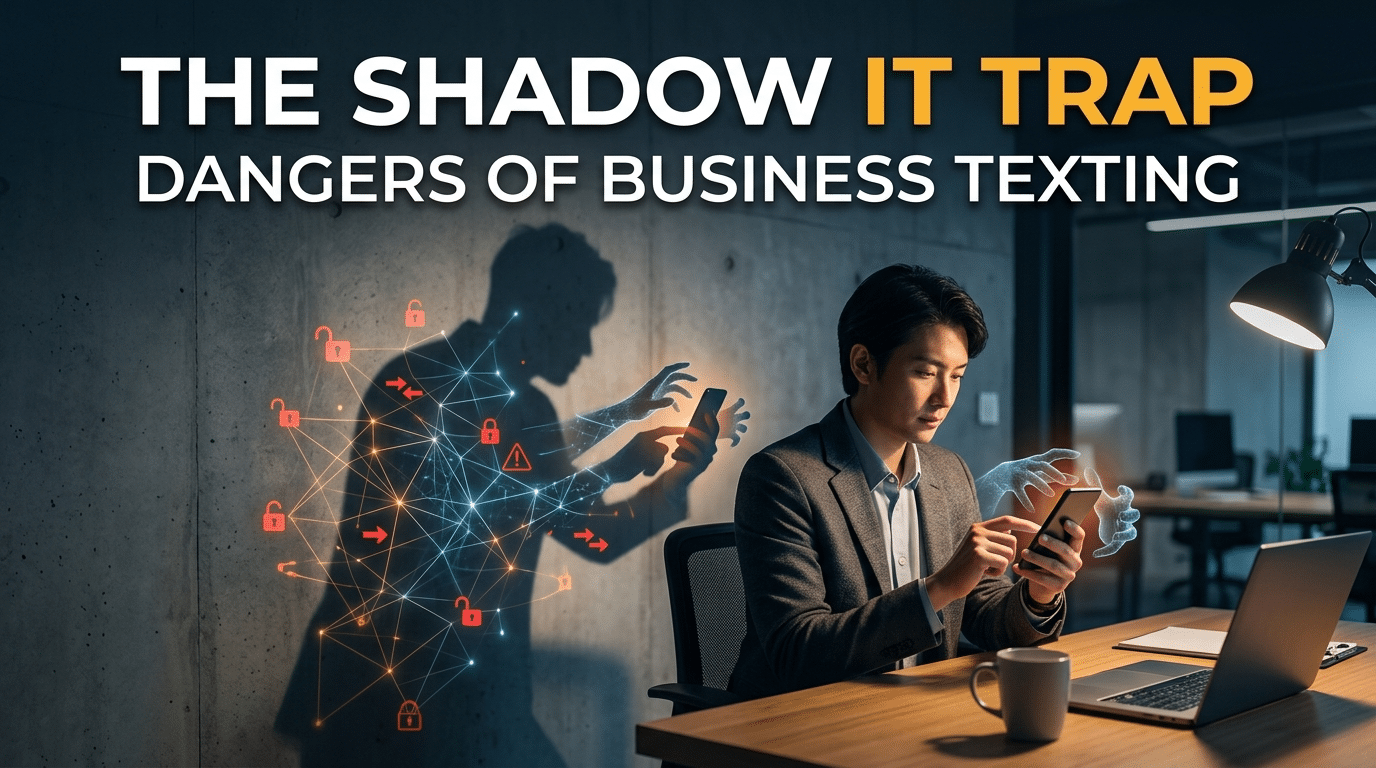
At Krypto IT, we know that when security feels like a series of obstacles, employees will find ways to go around them. This is how “Shadow IT” starts, and it’s a major security risk.
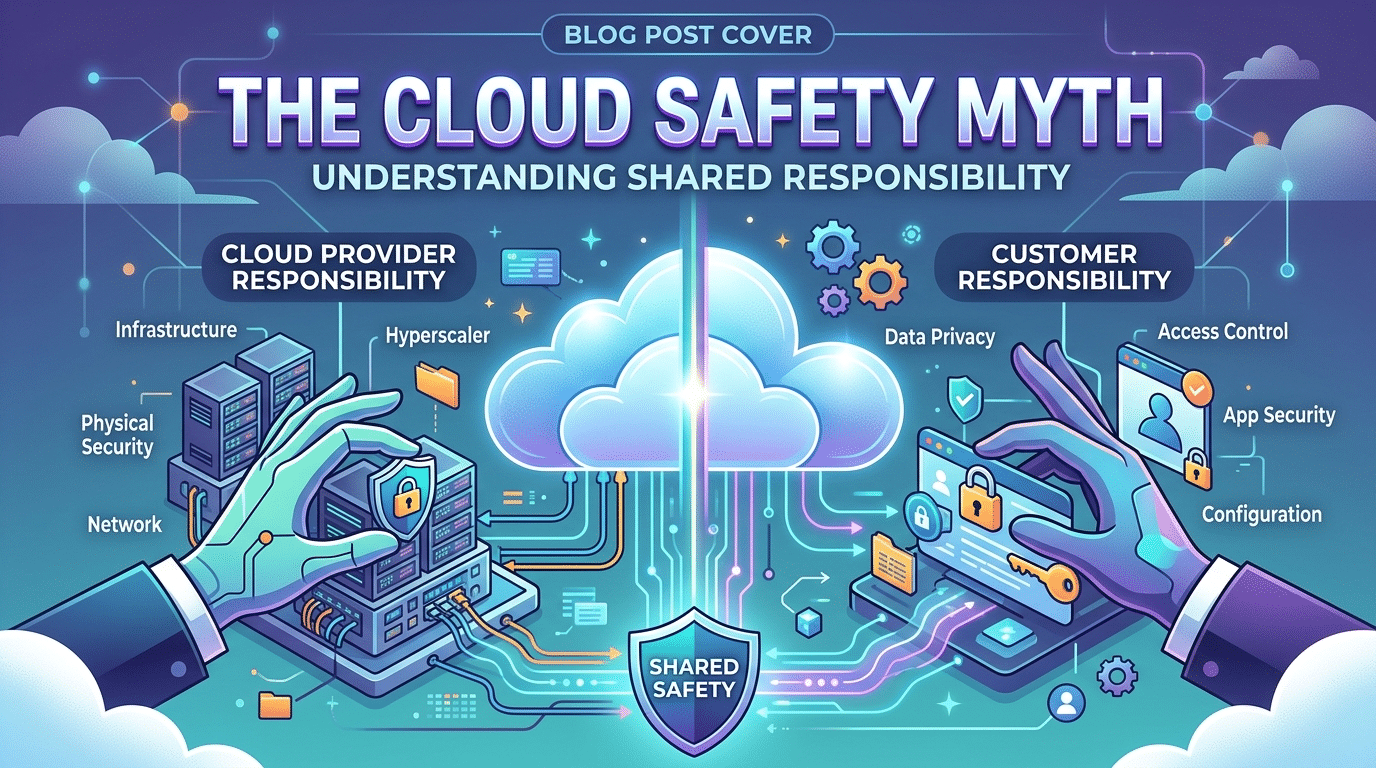
True cybersecurity isn’t about policing your team; it’s about building a “Security First” Culture. It’s about creating an environment where everyone understands that protecting data is a shared responsibility, not a chore. Here is how you can lead your Houston business toward a stronger defense without losing the morale of your team.
1. Move from “No” to “How”
The fastest way to become the “Office Police” is to reflexively say “no” to every new tool or request. When you shut down an employee’s attempt to be more productive without offering an alternative, you aren’t stopping the risk—you’re just driving it underground.
The Strategy: Instead of a flat rejection, adopt a “Yes, and…” or “No, but…” approach. If an employee wants to use an unsecure file-sharing app, don’t just block it. Say, “I understand you need to get these files to the client quickly. That specific app isn’t secure enough for our standards, but here is our encrypted portal that does the same thing even faster.”
By providing a secure path to the same goal, you become an enabler of productivity rather than a barrier to it.
2. Connect the “Why” to the “What”
Human beings are much more likely to follow a rule if they understand the reason behind it. If you tell your team they “must use MFA,” it sounds like a technical hurdle. If you tell them, “We use MFA because it’s the only way to ensure that a hacker in another country can’t use a stolen password to empty our payroll account,” the rule suddenly makes sense.
When you increase the “Shared Understanding,” the resilience of your culture spikes. At Krypto IT, we recommend sharing “Real World” stories (anonymously) of local Houston businesses that were saved—or hurt—by specific security habits. Context is the enemy of complacency.
3. Reward the “Hero Moments”
In a traditional “Office Police” model, the only time you hear from IT is when you’ve done something wrong. This creates a culture of fear where employees hide their mistakes.
The Strategy: Flip the script. Start rewarding and publicly acknowledging “Hero Moments.” Did an employee in your accounting department spot a sophisticated phishing email? Give them a shout-out in the company Slack or a $10 gift card to a local Houston coffee shop.
When you celebrate someone for catching a threat, you aren’t just rewarding one person—you are signaling to the entire team that being vigilant is a valued part of their job. This turns security into a team sport rather than a compliance exercise.
4. Make Security Frictionless
The more “friction” a security measure creates, the more likely people are to bypass it. If a door is hard to open, people will eventually prop it open with a brick.
The Strategy: Use technology that makes the “right” choice the “easy” choice.
- Single Sign-On (SSO): Instead of 50 passwords, give them one secure login.
- Biometrics: Let them use FaceID or a fingerprint instead of typing a 16-character string.
- Password Managers: Give them a tool that fills in their passwords for them so they don’t have to remember anything.
At Krypto IT, our goal is to implement security that “fades into the background,” protecting the business without interrupting the flow of work.
5. Leadership Must Model the Behavior
There is nothing that kills a security culture faster than a “Rules for Thee, but Not for Me” attitude from leadership. If the CEO bypasses MFA because it’s “annoying,” or uses an unsecure personal email for work because it’s “easier,” the rest of the team will follow suit.
The Strategy: Leadership must be the most visible practitioners of security. When the boss takes 30 seconds to verify an identity or uses the secure portal, it sets the standard for the entire office. In Houston’s competitive market, a secure culture starts at the top of the org chart.
How Krypto IT Fosters Your Culture
We don’t just install software; we partner with you to build a resilient organization. Krypto IT helps Houston SMBs build culture through:
- Engaging Training: We move away from boring lectures to interactive, micro-learning modules.
- Non-Punitive Phishing Tests: We use “safe” tests to teach, not to catch and punish.
- Executive Consulting: We help leadership teams understand how to communicate security as a core business value.
Conclusion: Security is a Partnership
Building a “Security First” culture is an ongoing journey, not a destination. When you stop acting like the police and start acting like a partner, you’ll find that your team becomes your strongest defensive asset.
Ready to build a culture that protects your business? Contact Krypto IT today for a “Culture & Security Audit” and let’s make security the easiest part of your team’s day.