Emergency Comms: Reaching Staff When Tech Fails
September 2, 2026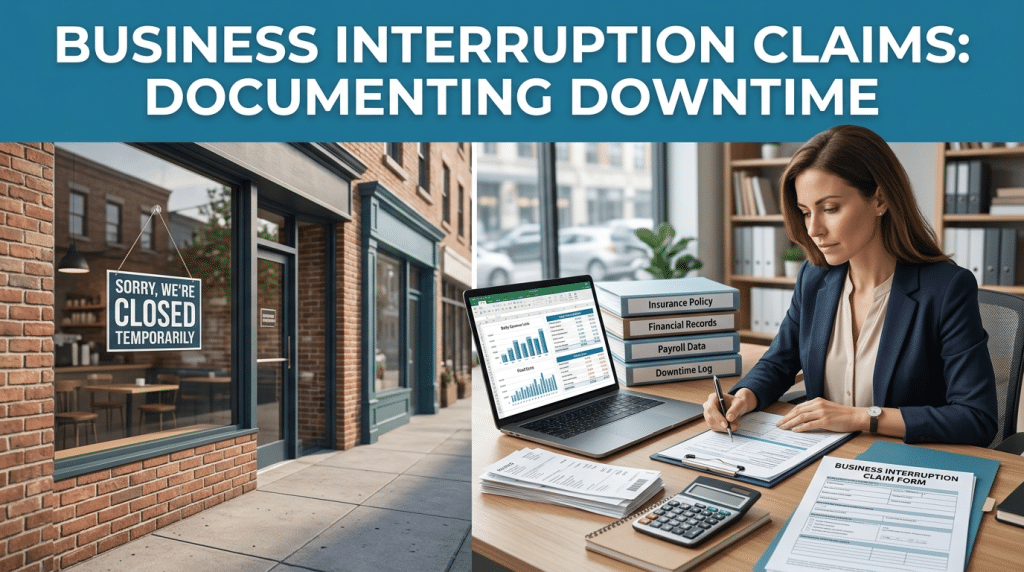
Business Interruption Insurance: Documenting Downtime Costs to Maximize Payouts
When an unexpected disaster strikes—whether an aggressive ransomware payload encrypts core databases, a catastrophic server hardware failure paralyzes billing, or an extended regional outage shuts down facilities—the immediate focus is always on technical remediation. Leadership teams scramble to contain threats, restore system backups, and resume daily client operations.
However, once systems are brought back online, organizations face a secondary, often crippling financial reality: the staggering cost of accumulated downtime.
Between lost sales opportunities, idle employee payroll, contractual Service Level Agreement (SLA) penalties, and expensive third-party emergency consulting fees, a few days of operational downtime can drain company cash reserves.
While many organizations carry Business Interruption (BI) coverage—often nested inside commercial property policies or modern cyber insurance packages—securing a full, fair insurance payout is rarely simple. Insurance adjusters and forensic accounting auditors do not reimburse losses based on estimates, gut feelings, or rough projections. They demand meticulous, auditable, and verifiable documentation.
Without a disciplined tracking strategy established before and during an outage, businesses routinely leave hundreds of thousands of dollars on the table.
What Business Interruption Insurance Actually Covers
Business interruption policies are designed to put your organization in the financial position it would have occupied had the disruptive event never occurred. In an IT or cyber disaster context, covered expenses typically fall into three primary categories:
- Lost Operating Income (Net Profit): The net income your business reasonably projected to earn during the downtime period, calculated from historical performance baselines.
- Fixed Operating Expenses: Ongoing business overhead costs that must be paid regardless of operational status, including office leases, utility services, software licensing commitments, and administrative payroll.
- Extra Expenses: Necessary, reasonable expenditures incurred directly to mitigate the outage, shorten recovery time, or maintain partial client services during downtime.
Why Insurance Carriers Dispute and Reduce Downtime Claims
Insurance carriers are profit-driven entities. Claims adjusters review every line item through a skeptical lens, actively seeking discrepancies or unproven assumptions. The most common reasons business interruption claims are minimized or rejected include:
1. Speculative Revenue Projections
Claiming an unprecedented spike in projected sales during the exact week of an outage invites immediate scrutiny. If revenue estimates cannot be directly supported by year-over-year trends, signed pipeline proposals, or clear seasonal baselines, adjusters will adjust payout numbers downward.
2. Failure to Separate Normal Payroll from Mitigation Overtime
Insurers frequently challenge general labor expenses. If standard salaried employees sit idle during an outage, that payroll falls under fixed operating costs. However, if technicians and managers work 20 hours of weekend overtime to rebuild databases, that cost qualifies as an “extra expense.” Without distinct time tracking, adjusters may categorize the overtime as normal payroll and deny reimbursement.
3. Conflating Disaster Remediation with Infrastructure Upgrades
If a business uses an outage as an opportunity to purchase brand-new, top-tier server clusters or rewrite entire legacy applications, insurers will classify those actions as “betterment” rather than like-kind restoration. Insurance policies reimburse costs to restore you to your pre-loss state, not to subsidize unbudgeted infrastructure upgrades.
4. Poor Causation Timestamps
Carriers require clear proof tying specific financial losses directly to the insured incident rather than pre-existing market downturns or unrelated supply chain snags.
Practical Steps to Document Downtime and Maximize Your Claim
To build an airtight, auditor-proof insurance claim, follow these core documentation protocols:
1. Establish a Dedicated Incident Chart of Accounts
The moment an incident is declared, instruct your finance and accounting department to open a distinct billing code or general ledger sub-account exclusively for disaster-related expenses. Route every receipt, emergency hardware purchase, courier bill, and outside consulting invoice to this isolated ledger. Mingling recovery costs with general operating expenses creates an auditing nightmare that delays claim settlement.
2. Implement Granular Overtime and Activity Tracking
Require all internal IT personnel, operations managers, and executive leadership to log every hour spent directly on response and recovery. Document who worked, the exact tasks performed (e.g., “manual invoice entry,” “verifying database consistency,” “restoring Active Directory”), and the specific hours logged outside normal schedules.
3. Maintain Baseline Historical Financial Records
To prove lost revenue, maintain pre-packaged, offline financial archives demonstrating:
- Three years of historical monthly and quarterly profit-and-loss (P&L) statements
- Year-over-year revenue trends for the corresponding calendar quarter
- Active, signed customer contracts and unfulfilled purchase orders interrupted by the outage
- Documented cancellation notices or refund requests directly citing the service outage
4. Preserve System Logs and Incident Forensics
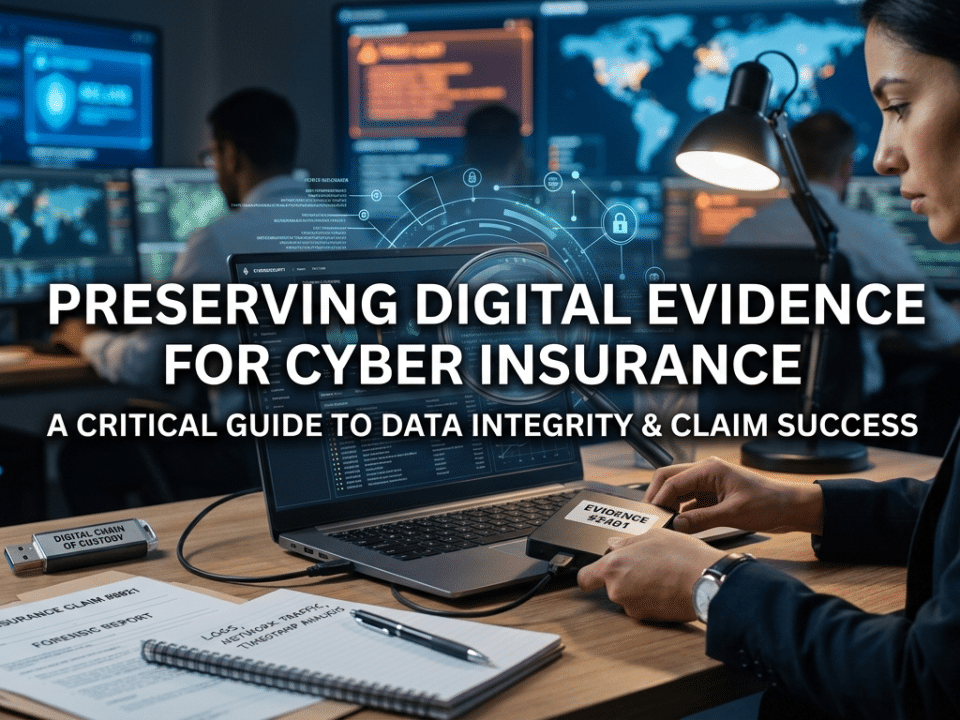
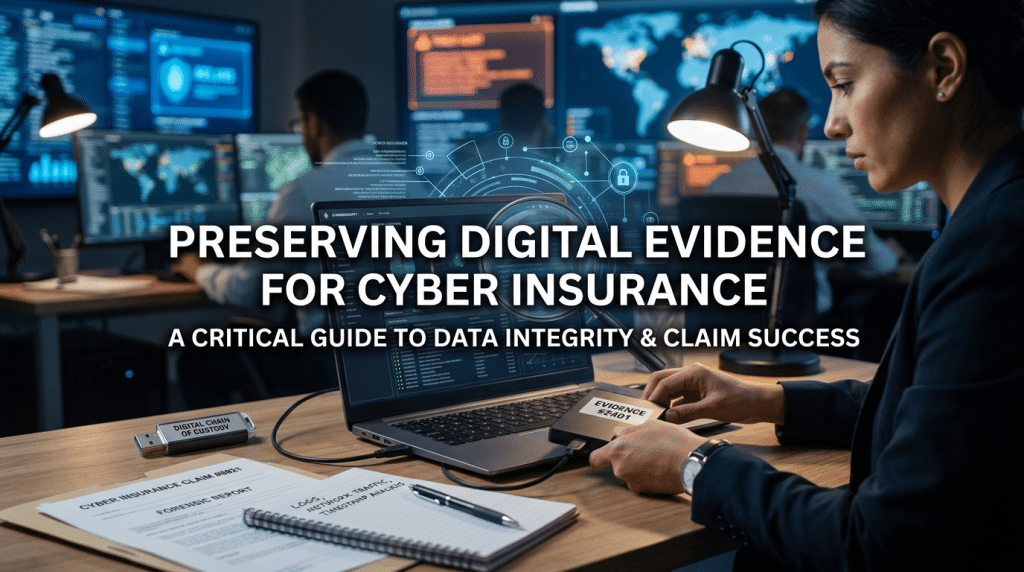
Carriers require proof of the exact minute the disruption began and when full restoration was achieved (the “period of restoration”). Archive firewall logs, EDR alerts, ticket timestamps, and official managed service provider incident logs to establish concrete chronological boundaries for your claim.
5. Retain a Forensic Accounting Specialist
Insurance carriers dispatch their own forensic accountants to evaluate your claim. Consider engaging an independent forensic accountant or public claims adjuster who specializes in commercial business interruption claims. Their fee is often partially covered under the “claim preparation costs” clause of modern insurance policies.
Secure Your Business Resilience with Krypto IT
Surviving an IT disaster requires combining rapid, verified technical recovery with rigorous financial protection.
At Krypto IT, we help Houston businesses deploy robust Business Continuity and Disaster Recovery (BCDR) frameworks, minimize costly downtime through instant cloud failovers, and maintain transparent system logging that makes post-incident insurance claims seamless and defensible.
Are your recovery systems and business records prepared to withstand the financial impact of an extended outage? Contact Krypto IT today to schedule a comprehensive business continuity and downtime audit.